Change with the Season: Adapt Your Everyday Shoes with Socks and Insoles

Change with the Season: Adapt Your Everyday Shoes with Socks and Insoles
Most of us have a favorite pair of shoes we wear almost every day—whether it’s for work, errands, or a walk around the neighborhood. But even the best shoes can feel too warm in summer and too cold in winter. The good news is that with a few simple adjustments, you can make your everyday shoes comfortable all year long. Socks and insoles play a bigger role than many realize when it comes to comfort, hygiene, and durability.
Spring and Fall – Finding the Right Balance
When temperatures fluctuate and the weather can’t make up its mind, flexibility is key. In spring and fall, light wool-blend or merino wool socks are a great choice. They keep your feet warm on cool mornings but wick away moisture when the day heats up.
A thin leather or cork insole can help regulate moisture and provide natural support. These breathable materials prevent your shoes from feeling damp after a long day.
If you walk or stand a lot, consider cushioned or shock-absorbing insoles to reduce pressure on your heels and forefoot. They make a noticeable difference during transitional seasons when sidewalks can be wet or uneven.
Summer – Light and Breathable
In summer, breathability is everything. Choose socks made from bamboo, cotton, or lightweight wool to keep your feet dry and reduce odor. Avoid synthetic materials that trap moisture.
A removable, thin insole is a smart option so you can air out your shoes after wearing them. Some people also prefer insoles with activated charcoal, which help absorb moisture and neutralize odor.
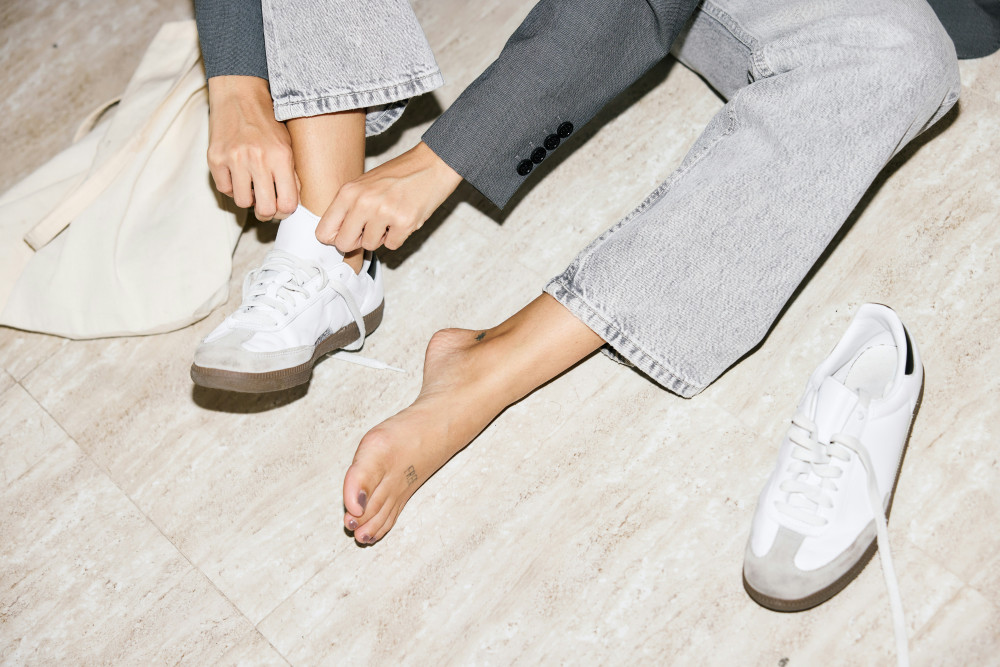
If you wear sneakers or closed shoes, no-show socks (also called footies) can give you a clean, airy look. Pick pairs with a silicone grip at the heel so they stay in place throughout the day.
Winter – Warmth and Insulation
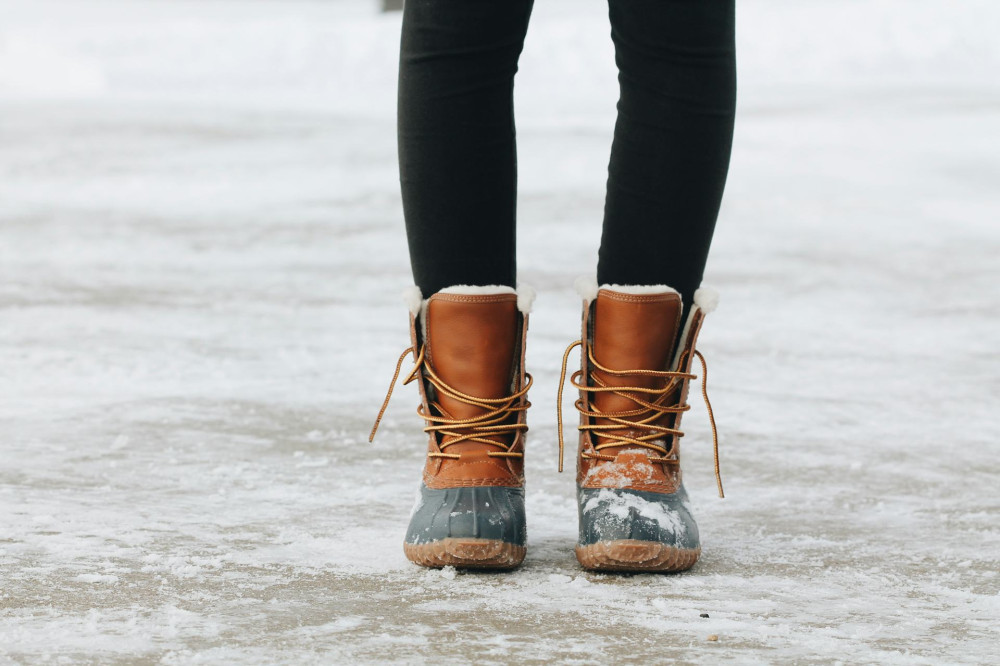
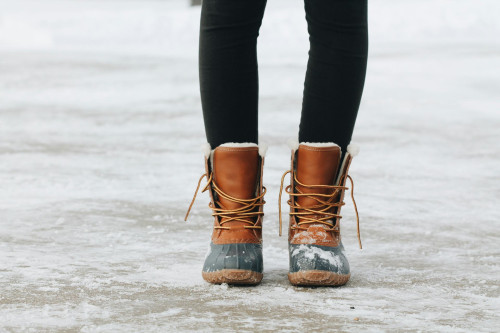
When the cold sets in, it’s time to think in layers. Thicker wool socks are an obvious choice, but remember they take up more space inside your shoes. If your shoes start to feel tight, switch to thin winter insoles made of felt or shearling, which insulate from below without adding bulk.
A thermal insole with an aluminum layer on the bottom can reflect body heat back toward your feet—a simple trick that makes a big difference on freezing days. Just make sure your shoes still allow for some ventilation to prevent moisture buildup.
If you often get cold toes, try heated insoles or wool-fleece inserts for extra warmth. Combined with wool socks, they create a cozy microclimate inside your shoes, even on snowy mornings.
Læs også:
Maintenance and Seasonal Care – Make Your Shoes Last
Adapting your shoes to the season isn’t just about comfort—it also helps them last longer. By rotating insoles and socks as needed, you can prevent unnecessary wear and keep your shoes in shape.
- Air out your shoes after wearing them, especially in damp weather.
- Wash socks according to their material—wool needs gentle care, while cotton can handle higher temperatures.
- Replace insoles a few times a year or when they lose their support.
- Use shoe trees or stuff shoes with paper to help them keep their form when not in use.
These small habits can make your everyday shoes feel fresh and comfortable for much longer.
Comfort All Year Long
Adjusting your shoes with the right socks and insoles is an easy way to stay comfortable through every season. You don’t need a new pair of shoes every few months—just a little attention and the right accessories. Once you find the perfect combination, your feet will thank you, and your shoes will stay in great shape.
So next time the weather changes, slip on your favorite pair with confidence—knowing they’re ready for whatever the season brings.
Læs også: