Gentle Exfoliation: How to Get Fresh Skin Without Irritation

Gentle Exfoliation: How to Get Fresh Skin Without Irritation
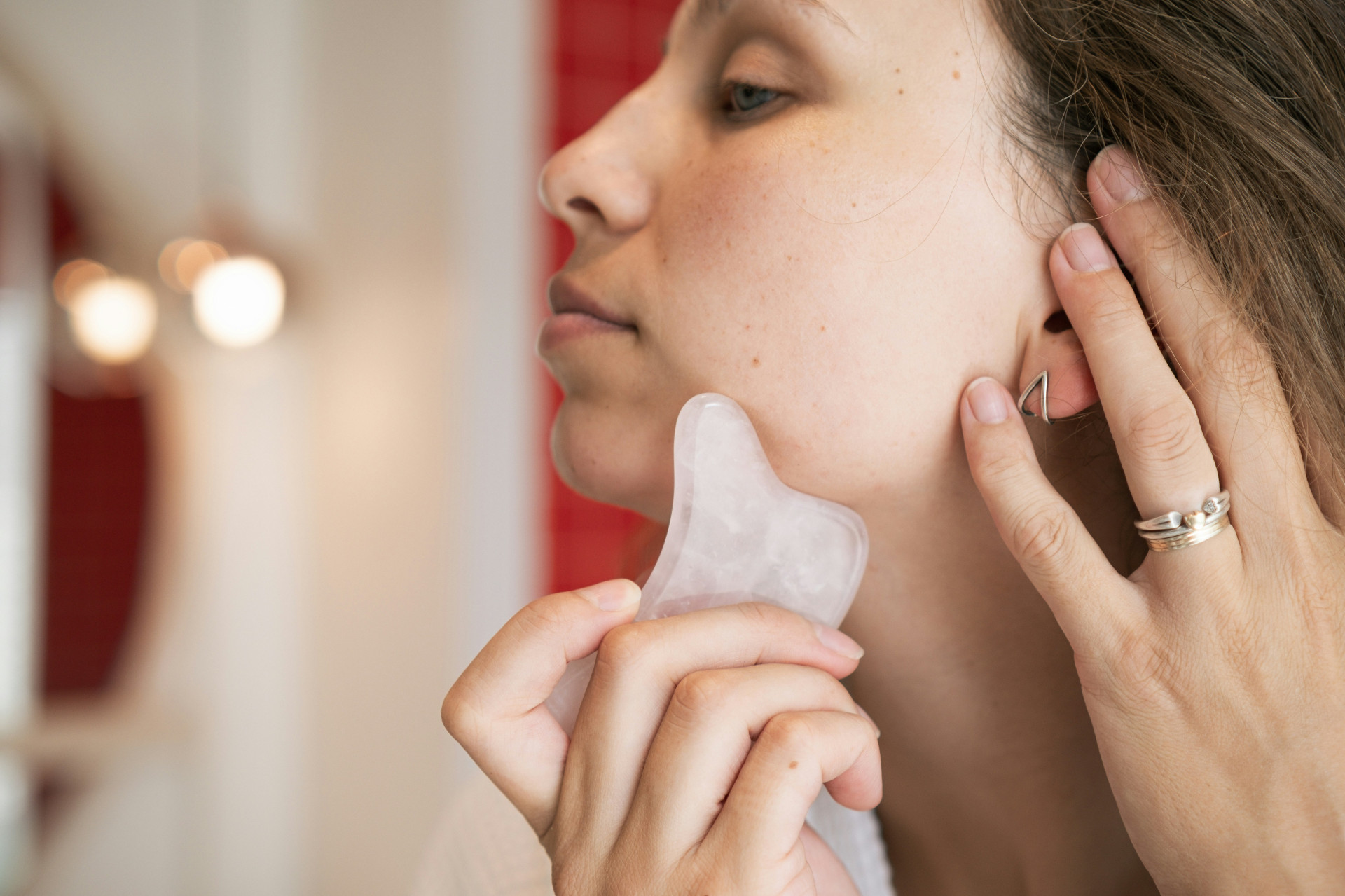
Exfoliation is one of the most effective ways to reveal smoother, brighter, and more radiant skin. By removing dead skin cells, you help your skin renew itself and allow your other skincare products to work more effectively. But for many people, exfoliation can lead to redness, dryness, or irritation—especially if it’s done too often or with harsh products. The good news is that with the right approach, you can enjoy all the benefits without discomfort. Here’s a guide to gentle exfoliation that works for both sensitive and normal skin.
What Is Exfoliation—and Why Does It Matter?
Your skin naturally renews itself, but as we age and face factors like sun exposure, pollution, and stress, that process slows down. Dead skin cells can build up on the surface, making your complexion look dull and uneven. Exfoliation helps remove those cells and encourages a healthy glow.
There are two main types of exfoliation:
- Physical exfoliation – uses small particles or brushes to manually remove dead skin cells.
- Chemical exfoliation – uses acids such as AHAs (like lactic acid or glycolic acid) or BHAs (like salicylic acid) to dissolve the bonds between skin cells.
Both methods can be effective, but the key is choosing the one that best suits your skin type.
Choosing the Right Method for Your Skin Type
Not all skin types respond the same way to exfoliation. A gentle approach starts with understanding what your skin needs.
- Dry or sensitive skin: Opt for a mild chemical exfoliant with lactic acid or PHAs. Avoid coarse scrubs, which can damage your skin barrier.
- Oily or acne-prone skin: BHAs like salicylic acid penetrate pores and dissolve excess oil, helping to prevent breakouts and blackheads.
- Normal or combination skin: You can alternate between gentle physical and chemical exfoliation, depending on how your skin reacts.
No matter your skin type, less is often more. Start slowly and increase frequency only if your skin tolerates it well.
How to Exfoliate Without Irritating Your Skin
To avoid redness and dryness, follow these simple guidelines:
- Cleanse first. Remove makeup and dirt so the exfoliant can work directly on your skin.
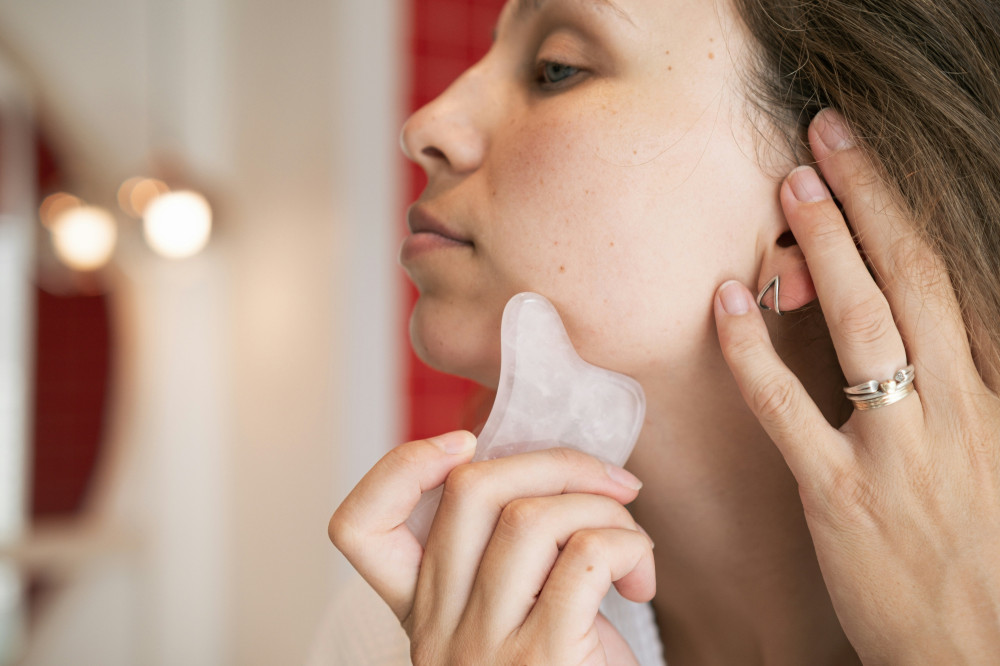
- Be gentle. If you’re using a scrub, don’t press too hard—let the product do the work.
- Don’t overdo it. Once or twice a week is enough for most people. Over-exfoliating can lead to sensitivity and dryness.
- Moisturize afterward. Apply a soothing moisturizer or serum to help restore your skin barrier.
- Always use sunscreen. After exfoliating, your skin is more sensitive to the sun, so daily SPF is essential.
Signs You’re Over-Exfoliating
Even the best products can cause problems if used too often. Watch for these signs:
- Skin feels tight, burning, or itchy
- Redness or small bumps appear
- Makeup looks patchy because of dryness
If this happens, take a break for a few days and focus on hydration and calming products. Once your skin feels normal again, resume exfoliating—but less frequently.
Natural Options for Gentle Exfoliation
If you prefer a more natural approach, there are mild alternatives that still deliver results:
- Oatmeal mixed with water or yogurt makes a soothing, gentle scrub.
- Honey contains natural enzymes that help dissolve dead skin cells while moisturizing.
- Papaya or pineapple contain enzymes that act as natural chemical exfoliants.
These methods are especially good for sensitive skin, but always patch-test first to make sure your skin tolerates them.
Læs også:



Build a Routine That Works for You
Exfoliation should be part of a balanced skincare routine—not a quick fix. Combine it with cleansing, moisturizing, and sun protection, and be consistent without overdoing it. A good rule of thumb is to listen to your skin—it will tell you when it’s had enough.
When you find the right balance, your skin will look smoother, softer, and more radiant—without irritation.
Læs også: