Jewelry with a Story – How to Design with Themes and Symbolism

Jewelry with a Story – How to Design with Themes and Symbolism
A piece of jewelry can be much more than a beautiful accessory. It can carry a story, a memory, or a message – and that’s why themes and symbolism play such an important role in modern jewelry design. When you design with storytelling in mind, you create not just an aesthetic object, but a personal piece that speaks to both the wearer and the viewer. Here’s how you can use themes, symbols, and materials to give your jewelry depth and meaning.
Jewelry as Personal Narratives
Many people choose jewelry because it represents something special – a milestone, a relationship, or a personal journey. A bracelet might recall a trip, a ring might symbolize love, and a pendant might hold a wish or a dream. As a designer, you can intentionally work with this narrative dimension.
Start by asking yourself: What story should the piece tell? Is it about nature, transformation, strength, or connection? Defining a theme early in the process gives you a guiding thread that shapes your choices of form, color, and material.
Symbols That Speak to Emotion
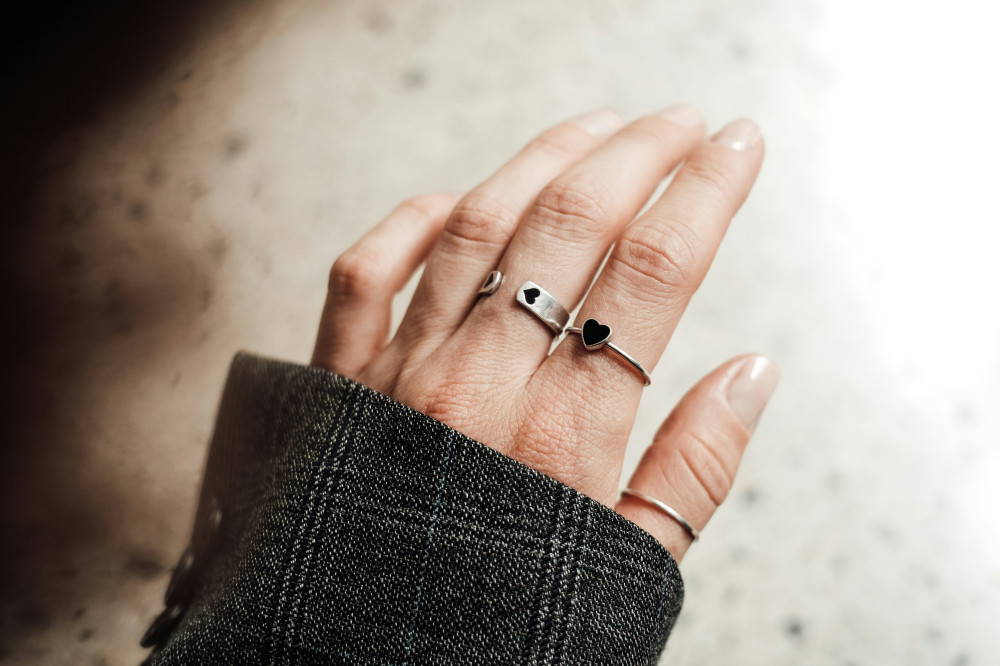
Symbols have been part of jewelry design for thousands of years – from ancient amulets to today’s minimalist charms. They act as visual codes that communicate meaning without words. A heart stands for love, a circle for eternity, and a leaf for growth and renewal.
When choosing symbols, you can draw on traditional motifs or invent your own. A personal symbol might come from nature, a cultural pattern, or a shape that holds special significance for you. The key is authenticity – the symbol should feel genuine to you as a designer and to the person who will wear it.
Materials with Meaning
Materials themselves can tell stories. Gold and silver often evoke tradition and permanence, while wood, stone, and recycled materials can express nature, sustainability, or transformation. Combining materials can create contrasts that reinforce your theme – the rough with the refined, the matte with the polished.
Consider also the origin of your materials. A turquoise stone from the Southwest, a shell found on a beach vacation, or a piece of reclaimed metal can add layers of personal or cultural meaning to your design.
The Design Process – From Idea to Story
When working with themes and symbolism, it helps to think like a storyteller. Begin with an idea or emotion, and let it evolve through sketches, materials, and forms. Ask yourself along the way: What do I want this piece to express? How can I make that visible without saying it outright?
Many designers use mood boards – collections of images, colors, and textures that capture the feeling they want to convey. This can be a powerful tool to keep your theme consistent and ensure that every design element supports the story you’re telling.
Læs også:


Jewelry as a Conversation Starter
A piece of jewelry with a story can connect people. When someone asks, “What does that piece mean?”, it opens a conversation about experiences, values, and emotions. That’s where symbolism truly comes alive – in the exchange between designer, wearer, and observer.
Jewelry, then, is not only about aesthetics but also about communication. A successful design conveys something beyond what’s visible – a thought, a mood, or a memory that continues to be carried and shared.
Make the Story Your Own
Designing with themes and symbolism doesn’t mean following strict rules. It’s about finding your own voice as a designer. Maybe you’re drawn to organic shapes, geometric patterns, or cultural references. Whatever your inspiration, let your personal story shine through – that’s what makes your jewelry unique.
When you allow your ideas and emotions to become part of your design, you create pieces that don’t just adorn but speak. And that’s where the magic happens – when jewelry becomes a story that can be worn.
Læs også: