Layering Up: How to Make Your Functional Jacket Work Year-Round

Layering Up: How to Make Your Functional Jacket Work Year-Round
A good functional jacket is an investment that can take you through every season—if you know how to use it right. With a smart layering system, you can adapt your jacket to everything from winter snow to spring showers and cool summer nights. It’s not just about comfort; it’s about getting the most out of what you already own and reducing unnecessary purchases. Here’s how to make your functional jacket work for you all year long.
The Foundation: Choosing the Right Shell
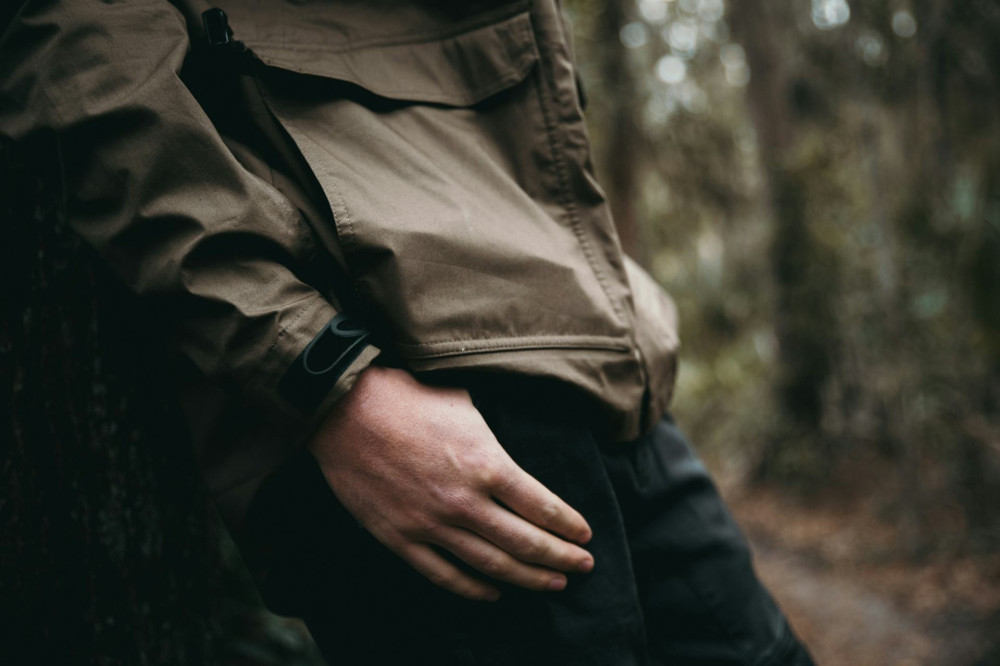
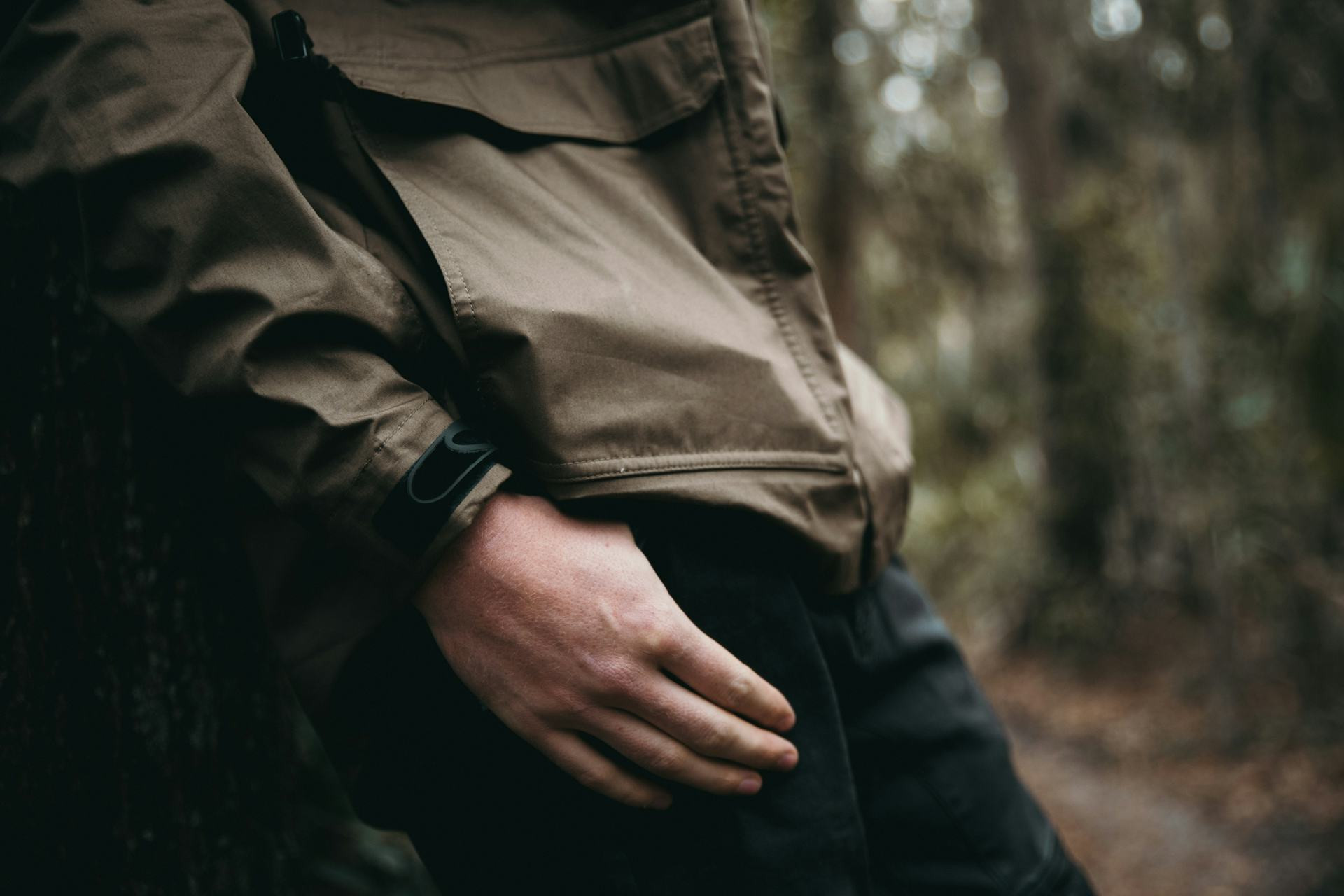
A functional jacket—often called a shell—is designed to protect you from wind and rain while allowing your body to breathe. It’s the outermost layer in your clothing system and doesn’t necessarily provide warmth on its own. The layers underneath determine how well you handle cold or heat.
When choosing a shell, look for:
- Waterproofing and breathability – measured in millimeters and g/m². A good balance keeps you dry without overheating.
- Ventilation options – such as underarm zippers that can be opened during high activity.
- Fit – make sure there’s room for extra layers underneath without feeling bulky.
Neutral colors like navy, gray, or olive make it easy to pair your jacket with different outfits throughout the year.
Layer 1: The Base Layer – Moisture Management and Comfort
The base layer’s main job is to move moisture away from your skin. When you sweat, that moisture needs to evaporate quickly so you don’t get chilled once you stop moving.
Choose materials like:
- Merino wool – naturally temperature-regulating and odor-resistant.
- Synthetic fabrics – quick-drying and great for high-intensity activities.
Avoid cotton—it traps moisture and stays damp, which can make you cold. A good base layer can be worn year-round: on its own in summer or as the first layer in winter.
Layer 2: The Insulating Layer – Warmth on Demand
The middle layer provides insulation, and this is where you can adjust based on the season and your activity level.
- Spring and fall: A lightweight fleece or thin wool sweater adds just enough warmth.
- Winter: A down or synthetic puffer under your shell keeps you warm even in freezing temperatures.
- Summer: You can often skip this layer unless you’re out early in the morning or late at night.
Having a separate insulating layer gives you flexibility—you can take it off when you warm up and put it back on when the temperature drops.
Læs også:




Layer 3: The Outer Layer – Protection from the Elements
The outer layer is your shield against wind, rain, and snow. This is where your functional jacket shines. It should keep the weather out while letting moisture escape.
Keep your jacket in top shape by:
- Washing it as needed – dirt and sweat can reduce breathability.
- Reproofing it periodically so water continues to bead off the surface.
- Checking zippers and seams – small repairs can extend its life significantly.
A well-maintained jacket can last for years and perform just as well as the day you bought it.
Seasonal Layering Tips
Layering is all about quick adjustments. Here’s how you can combine layers throughout the year:
- Winter: Wool base layer + insulated down jacket + shell.
- Spring: Base layer + light fleece + shell.
- Summer: Thin T-shirt or wool top + shell for rain protection.
- Fall: Base layer + warm fleece or light synthetic jacket + shell.
By thinking in layers, you can use the same jacket for hiking, biking, commuting, or weekend trips—no matter the weather.
Small Details That Make a Big Difference
- Ventilation: Use zippers and openings to regulate temperature.
- Hood and cuffs: Adjustable features help keep wind and rain out.
- Pockets: Use inner pockets to keep electronics dry and warm.
- Weight and packability: A lightweight, packable jacket is perfect for travel and unpredictable weather.
These small details can make everyday use more comfortable—especially when you rely on your jacket year-round.
One Jacket, Four Seasons
With the right layering system, your functional jacket becomes a versatile piece that works in almost any situation. It’s not about owning more jackets—it’s about using the one you have in the smartest way possible. Once you master layering, you’ll have comfort, flexibility, and sustainability all in one outfit.
Læs også: