Use Your Measurements Right – Avoid Tight Pants When You Move

Use Your Measurements Right – Avoid Tight Pants When You Move
Few things can ruin an otherwise good day like a pair of pants that feel too tight when you sit down, climb stairs, or simply move around. Often, the problem isn’t that you picked the wrong size, but that you didn’t use your measurements correctly. Small differences in waist, hip, and inseam can make a big difference in comfort—especially if you’re active throughout the day. Here’s a guide to help you measure accurately, choose the right fit, and avoid turning your pants into a daily struggle.
Know Your Measurements – and What They Mean
When shopping for pants, it’s tempting to grab the size you usually wear. But sizing can vary widely between brands, and even between styles from the same brand. That’s why it’s important to know your actual measurements.
- Waist: Measure around the narrowest part of your torso—usually just above your belly button. The tape should be snug but not tight.
- Hips: Measure around the fullest part of your hips and seat. This is where pants often feel tight if the measurement isn’t right.
- Inseam: Measure from the crotch down to the ankle. This determines how the pants fall when you stand or move.
- Thigh: If you have muscular thighs, take this measurement too—especially for jeans or slim-fit styles.
Write your numbers down and use them when shopping. Most online stores and many U.S. retailers provide size charts that let you compare your measurements to their fit guides.
Læs også:
Fit Is More Than Just Numbers
Even with the right measurements, pants can still feel restrictive if the fit doesn’t match your body type. Here are the most common fits you’ll find in American stores:
- Slim fit – close to the body for a modern look, but can feel tight when you move.
- Regular fit – a classic cut with a bit more room through the hips and thighs.
- Relaxed fit – looser all around, offering maximum comfort and mobility.
- Stretch fabrics – pants with spandex or elastane provide extra give without losing shape.
If your day involves a lot of movement—walking, commuting, or working on your feet—it’s worth choosing a style with a little more room or stretch. It’ll feel better and last longer since the seams won’t be under constant strain.
Test the Fit in Motion
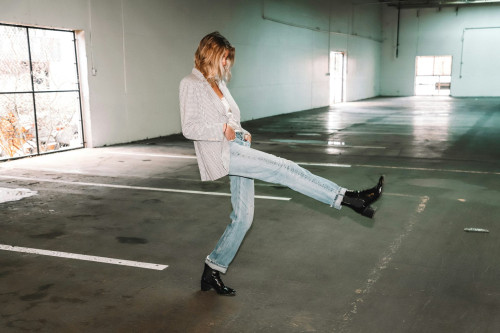
When trying on pants, don’t just stand still in front of the mirror. Sit down, take a few steps, bend your knees. If the fabric pulls across your thighs or feels tight in the seat, the fit is too snug. Pants should move with you, not against you.
A good trick is to bring along a pair of pants you already love and compare how they feel. You’ll quickly notice differences in cut and fabric.
Fabrics That Move With You
The material makes a big difference in how pants feel throughout the day. Natural fibers like cotton and wool are breathable but less stretchy. Synthetic fibers such as polyester or elastane add flexibility and help the pants keep their shape.
For everyday wear, a cotton blend with about 2–3% elastane is often ideal—it holds its form but still allows you to move freely. For travel or outdoor activities, look for technical fabrics that stretch in multiple directions and wick away moisture.
Care Affects the Fit
Even perfectly fitted pants can change shape if they’re washed incorrectly. Always follow the care label, and avoid high heat. Cotton can shrink slightly, while stretch fabrics can lose elasticity if exposed to too much heat.
Air-dry your pants instead of using a dryer—it helps preserve both the fit and the fabric. If your pants feel tighter after washing, gently stretch the fabric while it’s still damp.
Comfort Is Part of Your Style
Choosing pants that fit well isn’t just about appearance—it’s about feeling good in what you wear. When your clothes move with you, you move more naturally and confidently. That comfort shows in your posture and your attitude.
So next time you’re in the fitting room or shopping online, take a few minutes to use your measurements wisely. It’s a small effort that can save you from hours of discomfort in pants that are just too tight.
Læs også: