Avoid Blisters: How the Right Athletic Socks Help You During Workouts


Avoid Blisters: How the Right Athletic Socks Help You During Workouts
Few things can ruin a great workout faster than blisters. They hurt, distract you, and can even force you to take time off from training. The good news is that the right pair of athletic socks can make a big difference. The right socks protect your feet, manage moisture, and provide support where you need it most. Here’s a guide to choosing the best athletic socks—and why they’re an essential part of your workout gear.
Why Regular Socks Don’t Cut It
Many people don’t realize how much socks affect comfort during exercise. Regular cotton socks absorb sweat and hold onto moisture, creating friction between your skin and your shoes. That friction is exactly what causes blisters and irritation.
Athletic socks, on the other hand, are designed to wick moisture away from your skin and provide a snug, comfortable fit. They’re made from technical fabrics like polyester, nylon, and spandex that dry quickly and reduce the risk of rubbing.
Læs også:

Materials That Make the Difference
When it comes to athletic socks, material matters. Here are some of the most common types—and what they do for your feet:
- Merino wool – Naturally temperature-regulating and odor-resistant. Keeps your feet warm in winter and cool in summer.
- Synthetic fibers (polyester, nylon, spandex) – Pull moisture away from the skin and provide a close fit that prevents bunching.
- Bamboo fibers – Soft, breathable, and naturally resistant to odor.
A good athletic sock often combines several materials to balance comfort, support, and durability.
Fit and Support—More Than Just Comfort
An athletic sock should fit snugly without feeling tight. Many styles feature reinforced heels and toes, where wear and pressure are greatest, as well as arch compression zones that add support. This helps stabilize your foot and reduce fatigue during longer workouts.
Some socks also offer compression benefits, which can improve circulation and reduce swelling. That’s especially helpful for runners, cyclists, and endurance athletes.
Prevent Blisters with the Right Combination
Even the best socks can’t save you if your shoes don’t fit properly. Make sure your shoes are the right size and don’t pinch or rub. Then pair them with socks suited to your activity:
- Running: Choose thin, snug socks with moisture-wicking properties.
- Hiking: Go for thicker socks with cushioning and ankle support.
- Gym workouts: Lightweight, breathable socks are ideal for indoor training.
If you’re exercising for long periods or in hot weather, bring an extra pair and change halfway through. Dry feet are your best defense against blisters.
Care and Longevity
To keep your socks performing their best, wash them in cold water and skip the fabric softener—it can damage moisture-wicking fibers. Air-dry them instead of using a dryer to preserve elasticity and extend their lifespan.
While athletic socks may cost a bit more than regular ones, they’re an investment in both comfort and performance. A quality pair can last for months, even with frequent use.
Small Details, Big Impact
It might seem like a small detail, but the right athletic socks can make the difference between a good and a bad workout. They protect against blisters, keep your feet dry, and support your muscles—all of which help you perform your best.
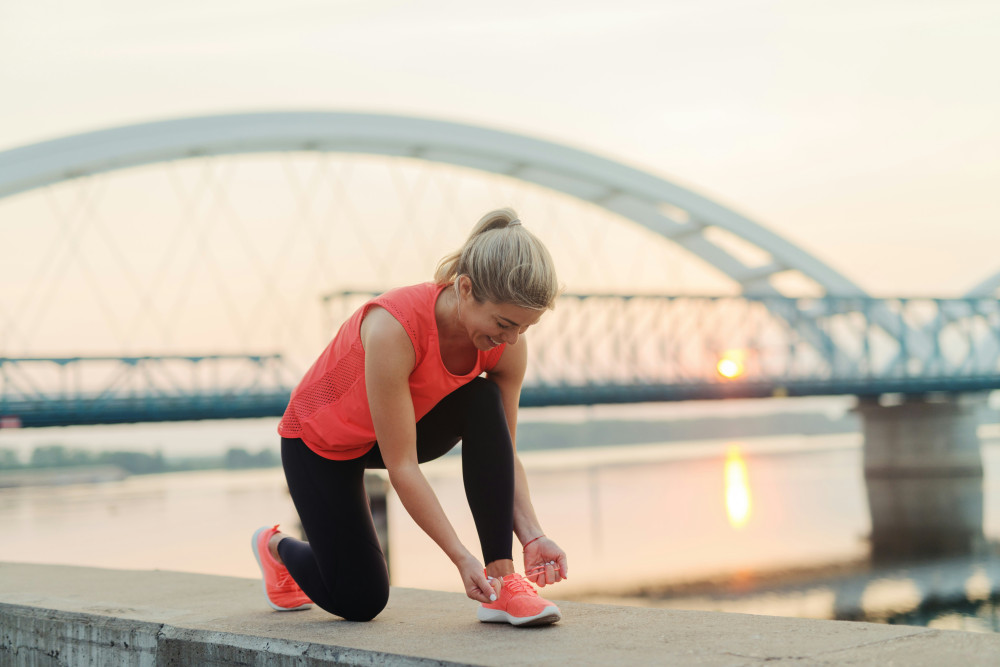
So next time you lace up your shoes, remember: comfort starts from the ground up.
Læs også: