Avoid Strings and Small Parts: How to Choose Safe and Comfortable Children’s Clothing

Avoid Strings and Small Parts: How to Choose Safe and Comfortable Children’s Clothing
When shopping for children’s clothes, it’s easy to focus on colors, patterns, and style. But safety and comfort are just as important—especially for babies and young kids. Loose strings, small decorations, or poorly placed fasteners can pose risks that parents might not notice at first glance. Fortunately, a few simple guidelines can help you choose clothing that’s both safe and comfortable for everyday wear.
Know the Key Safety Guidelines
Children’s clothing sold in the United States must meet certain safety standards set by the Consumer Product Safety Commission (CPSC). These rules are designed to prevent choking, strangulation, and other injuries. Here are some of the most important points to keep in mind:
- Avoid drawstrings around the neck or hood. Drawstrings can get caught on playground equipment, car doors, or furniture. Choose clothing with elastic, snaps, or Velcro instead.
- Check for small parts. Buttons, beads, sequins, and decorative pieces should be securely attached. If they can be pulled off easily, they may pose a choking hazard.
- Inspect zippers and snaps. They should move smoothly and be free of sharp edges that could pinch or scratch.
- Pay attention to fit. Clothing that’s too loose can snag, while tight clothing can restrict movement and cause discomfort.
When possible, look for labels that mention compliance with CPSC guidelines or ASTM standards. These indicate that the clothing has been tested for safety.
Choose Materials That Support Comfort and Health
Children’s skin is more sensitive than adults’, so fabric choice matters. Natural fibers like cotton, bamboo, and merino wool are breathable and gentle on the skin. They help regulate body temperature and reduce irritation.
Avoid clothing treated with strong chemicals, fragrances, or dyes that can cause allergic reactions. Always wash new clothes before your child wears them—this removes excess dye and any residues from manufacturing.
For active kids, fabrics with a bit of stretch can make a big difference. They allow freedom of movement for running, climbing, and playing without feeling restrictive.
Practical Details That Make Life Easier
Safe clothing can still be stylish and convenient. A few thoughtful details can make daily routines smoother:
- Elastic waistbands instead of drawstrings make pants easier for toddlers and preschoolers to pull on and off.
- Reflective details on jackets, backpacks, and shoes improve visibility when walking or biking near traffic.
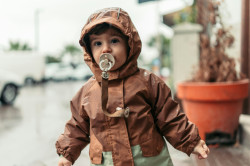
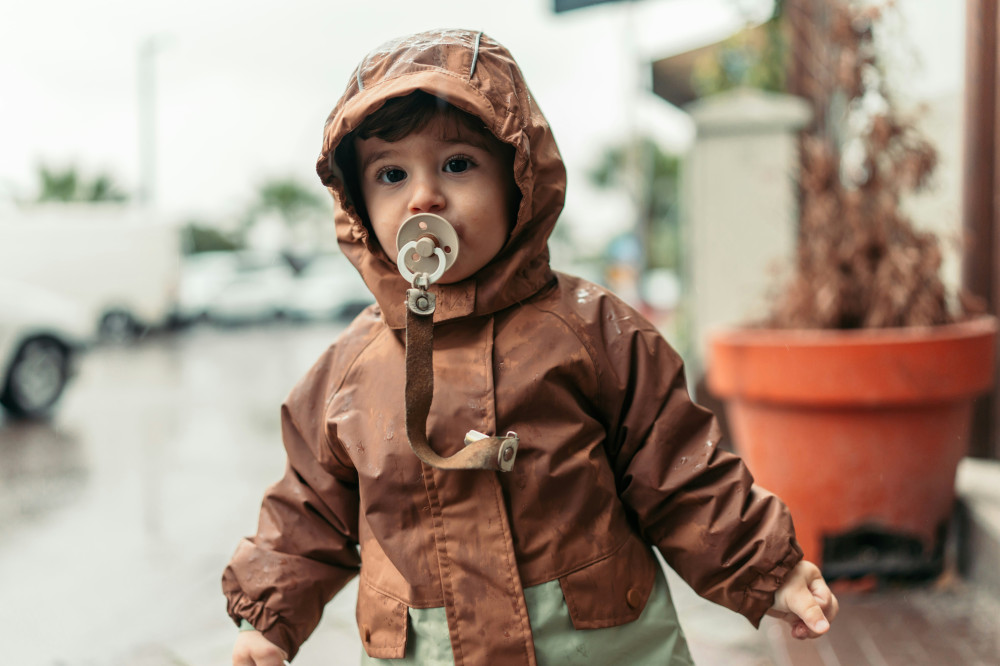
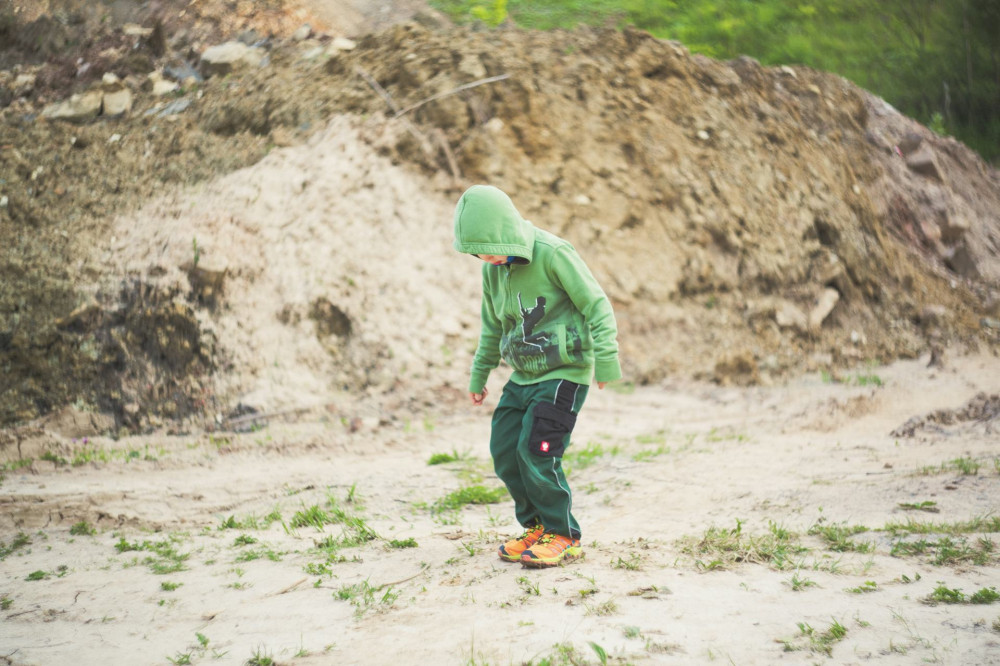
- Detachable hoods on outerwear add an extra layer of safety—they’ll come off if caught on something.
- Soft seams and tagless labels help prevent irritation, especially for children with sensitive skin or sensory sensitivities.
By choosing practical designs, you’ll make dressing and playtime easier for both you and your child.
Consider Age and Activity Level
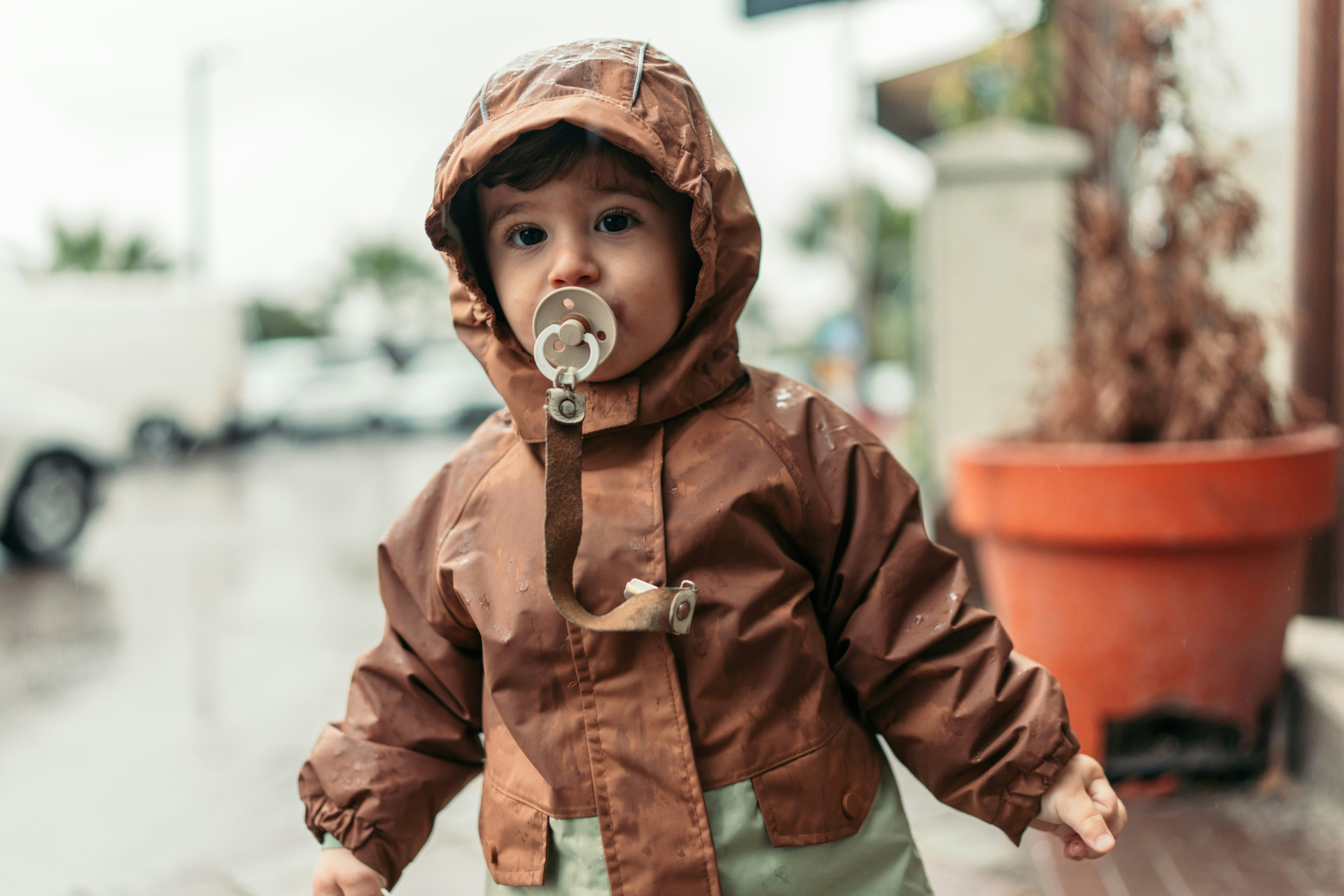
A baby’s clothing needs are very different from those of a school-age child. Infants need soft, breathable fabrics that can handle frequent washing. Avoid anything with loose decorations or ties. For toddlers and preschoolers, durability and ease of movement are key—they’re constantly exploring and need clothes that can keep up.
Older children benefit from layers they can manage themselves. Lightweight jackets, zip-up hoodies, and easy-to-remove hats help them stay comfortable throughout the day. Just remember to skip scarves or long cords—opt for neck warmers or elastic alternatives instead.
How to Check Clothing Before You Buy
Before you head to the checkout, take a moment to inspect each item:
- Tug gently on buttons, snaps, and decorations—are they firmly attached?
- Look for any drawstrings or cords, especially around the neck or waist.
- Run your hand along seams and zippers to check for rough edges.
- Read the care label—does the fabric suit your child’s age, activity level, and skin sensitivity?
A quick inspection can prevent accidents and ensure your child’s comfort.
Læs også:

Safety and Comfort Go Hand in Hand
Choosing safe children’s clothing doesn’t mean sacrificing style or fun. In fact, knowing your child’s clothes are secure and comfortable gives you peace of mind—and lets your child play freely. By following a few simple principles—avoid strings, check small parts, and choose quality materials—you can build a wardrobe that’s safe, practical, and perfect for everyday adventures.
Læs også: