Multifunctional Children’s Clothing as the Key to a Sustainable Wardrobe

Multifunctional Children’s Clothing as the Key to a Sustainable Wardrobe
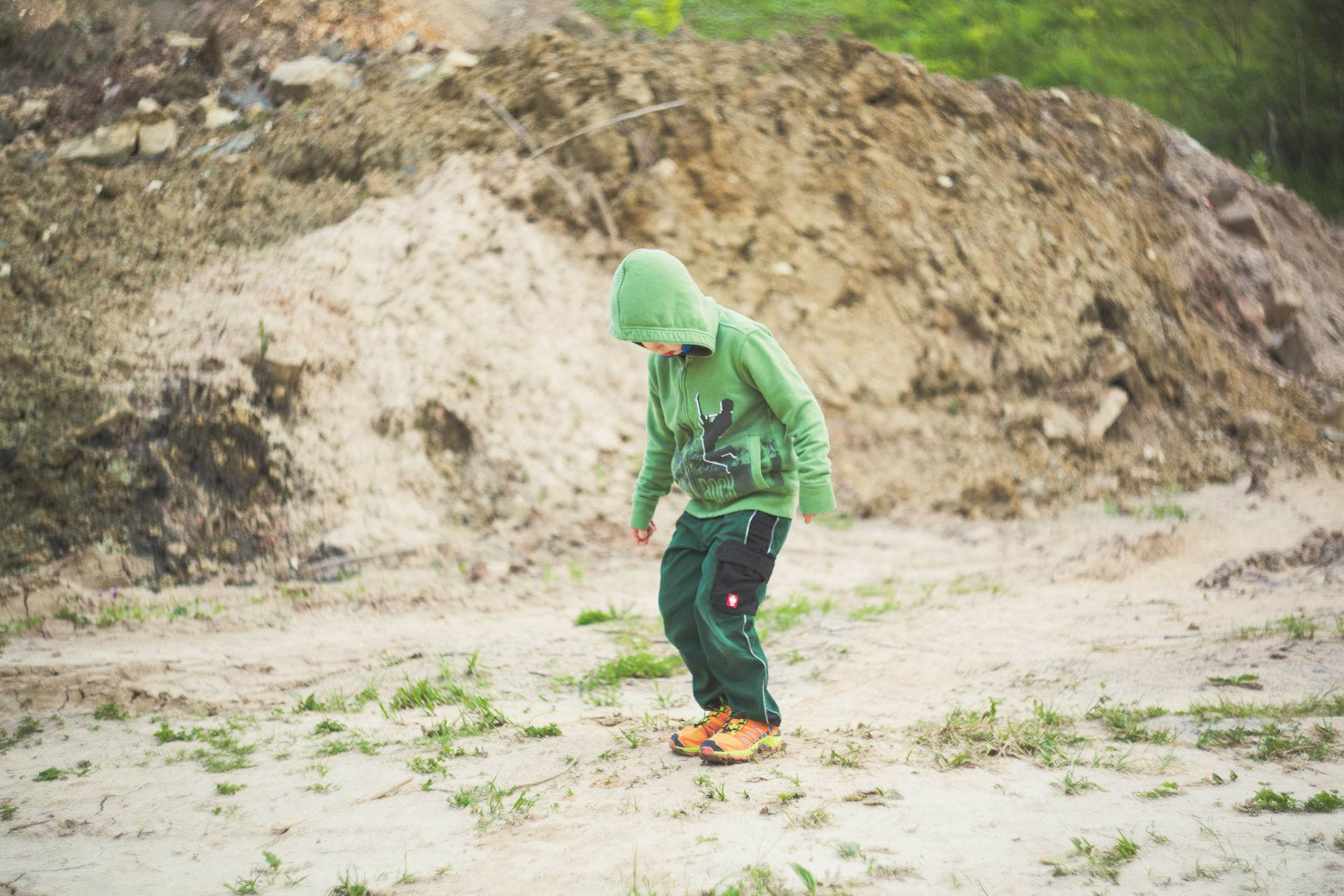
Children’s clothes rarely last long. Kids grow fast, play hard, and often outgrow or wear out their clothes within months. For parents, that means frequent shopping trips and mounting expenses. For the planet, it means more textile waste and higher carbon emissions. Multifunctional children’s clothing offers a smarter, more sustainable solution—garments that grow with the child, serve multiple purposes, and last longer.
Clothes That Grow With the Child
One of the biggest challenges for parents is keeping up with growth spurts. A jacket that fits perfectly in the fall might be too small by spring. Multifunctional designs tackle this issue head-on. Adjustable waistbands, extendable sleeves, and pant legs that can be lengthened allow a single piece of clothing to fit for several seasons.
Several U.S. and international brands are now embracing this concept, combining clever design with durable materials. The result is clothing that adapts to a child’s changing size without sacrificing comfort or style—reducing both waste and the need for constant replacements.
One Garment, Many Uses
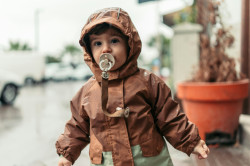
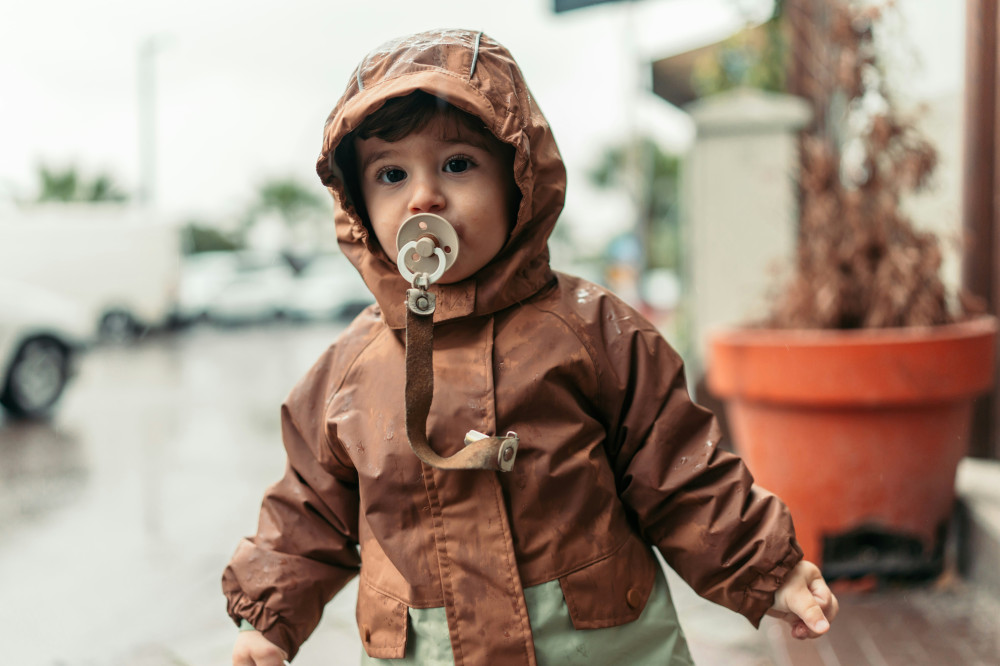
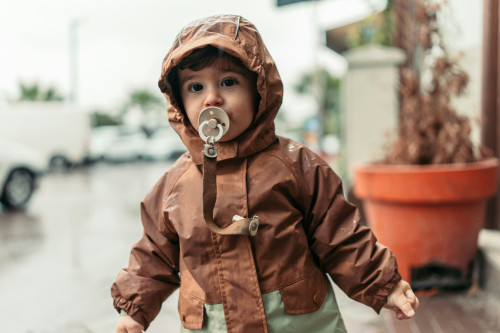
Multifunctionality isn’t just about size—it’s also about versatility. Imagine a rain jacket that doubles as a windbreaker, or a pair of pants that can zip off into shorts. These designs make it easier for families to own fewer items while still being prepared for different weather and activities.
For busy parents, this means less clutter and fewer decisions about what to pack for daycare, school, or weekend trips. For kids, it encourages creativity and a sense of responsibility toward their belongings. They learn that clothing can be practical, adaptable, and worth taking care of.
Materials That Last—and Can Be Reused
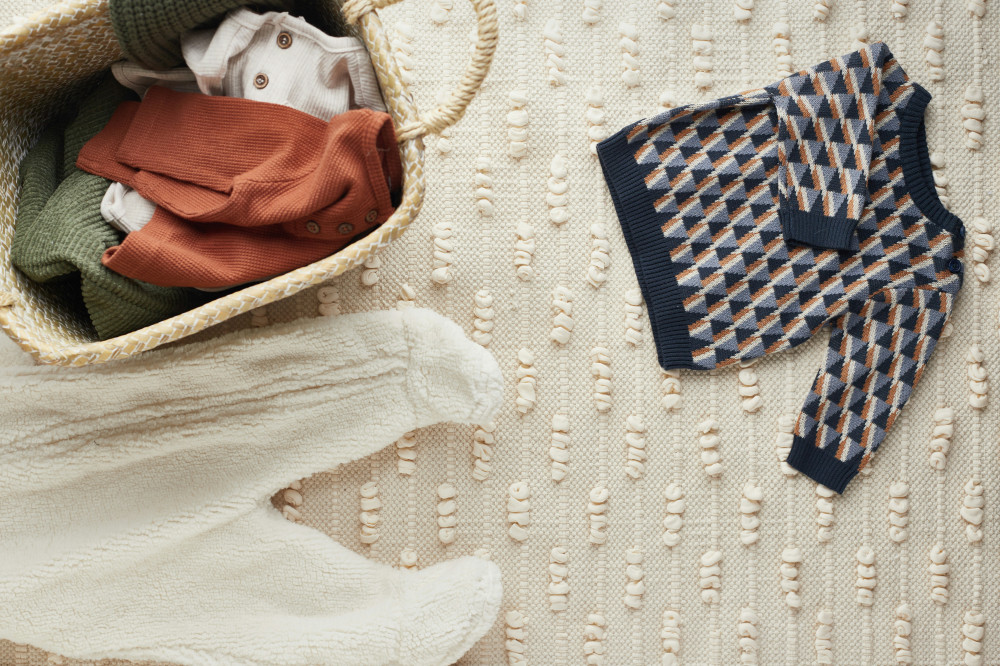
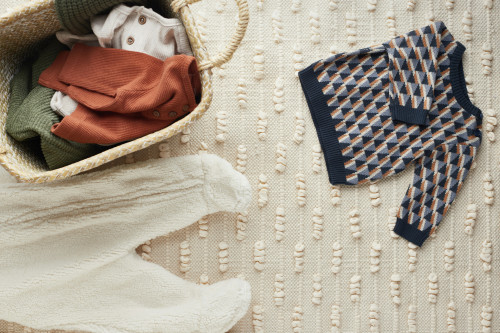
Sustainability also depends on what the clothes are made of. Multifunctional children’s wear often uses high-quality, certified materials such as organic cotton, recycled polyester, or merino wool. These fabrics are durable, breathable, and comfortable across seasons.
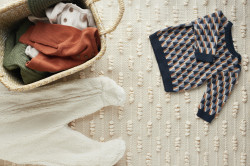
When the clothes finally no longer fit, they can often be passed down to younger siblings, donated, or resold. Some brands even design with recycling in mind—using single-fiber fabrics or detachable components to make future reuse easier.
A Smart Investment for Families and the Planet
While multifunctional clothing may cost more upfront, it pays off over time. Fewer purchases mean long-term savings, and the environmental impact is significantly lower when production and shipping are reduced.
For many American families, choosing multifunctional clothing is also a statement of values. It’s about teaching children that quality matters more than quantity, and that mindful consumption can make a real difference.
Læs også:
How to Get Started
Building a more sustainable wardrobe for your kids doesn’t have to happen overnight. Start small with these steps:
- Choose adjustable designs that can grow with your child.
- Look for certifications like GOTS, OEKO-TEX, or Global Recycled Standard.
- Buy secondhand or swap clothes with friends and family.
- Repair instead of replacing—a small tear doesn’t mean the end of a garment.
- Layer smartly so the same pieces work year-round.
Each small change helps reduce waste and encourages a more thoughtful approach to consumption.
The Future of Children’s Fashion Is Flexible
Multifunctional children’s clothing isn’t just a passing trend—it’s part of a broader shift toward sustainable living. When design, durability, and environmental responsibility come together, everyone benefits: parents save money, kids stay comfortable, and the planet gets a much-needed break.
A wardrobe that grows, adapts, and endures is more than practical—it’s a reflection of a more conscious and sustainable way of life.
Læs også: