Create Direction for Your Home with Planning and Vision Boards

Create Direction for Your Home with Planning and Vision Boards
A harmonious home rarely happens by accident. It takes thought, planning, and a clear sense of how you want your spaces to look and feel. Many people find that their homes slowly become a mix of furniture, colors, and objects that don’t quite fit together. That’s where planning and vision boards can make all the difference—helping you create direction, both visually and practically.
Why Planning Matters
Planning your home isn’t just about aesthetics—it’s about function and flow. A well-planned home supports your daily life, makes it easier to stay organized, and brings a sense of calm to your surroundings.
Start by thinking about how you use each room. What works well, and what doesn’t? Maybe your entryway needs better storage, or your living room feels cluttered because the colors and textures don’t align. By identifying your needs, you create a solid foundation for change.
Make a list of the areas you’d like to improve and prioritize them. It’s rarely realistic to tackle everything at once, but with a plan, you can take one step at a time—and still move steadily in the right direction.
Vision Boards – Turning Ideas into Images
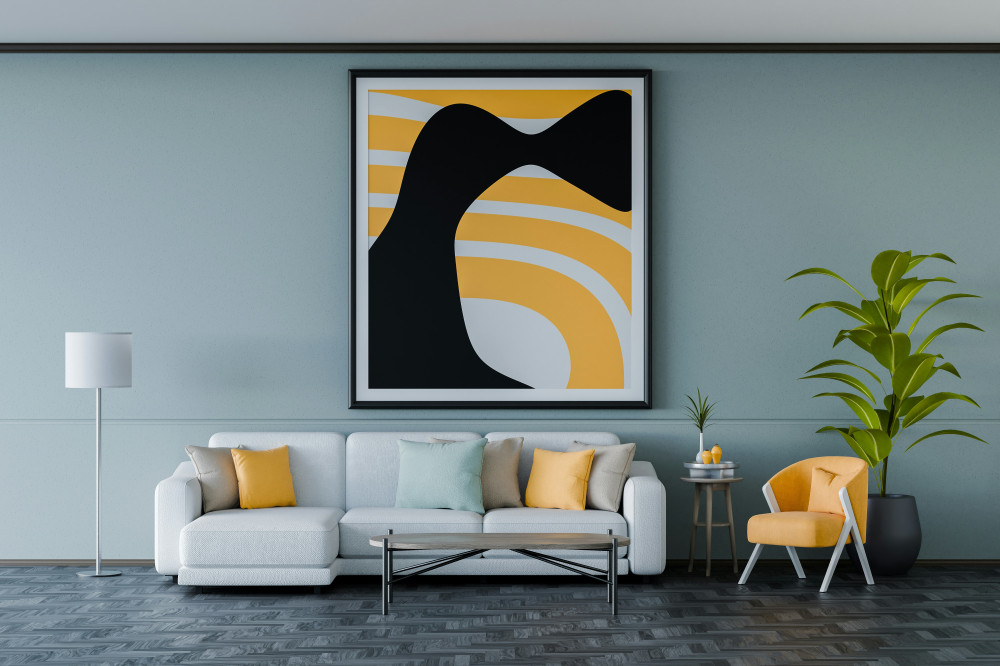
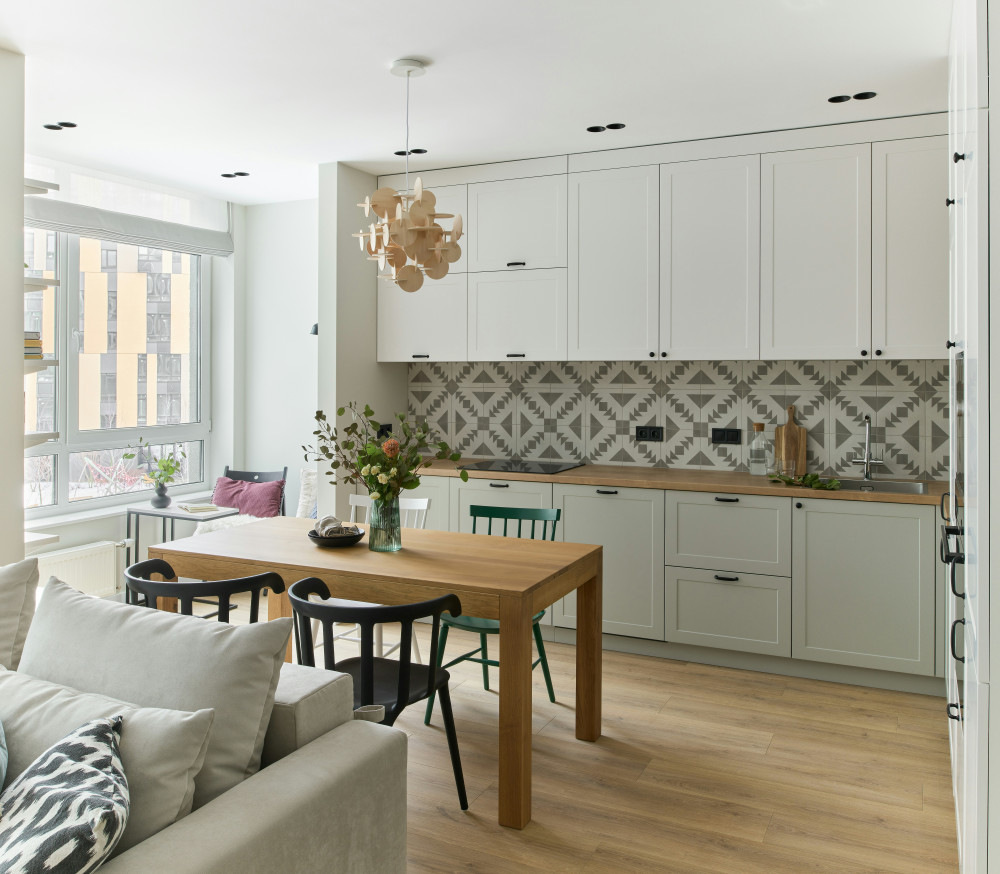
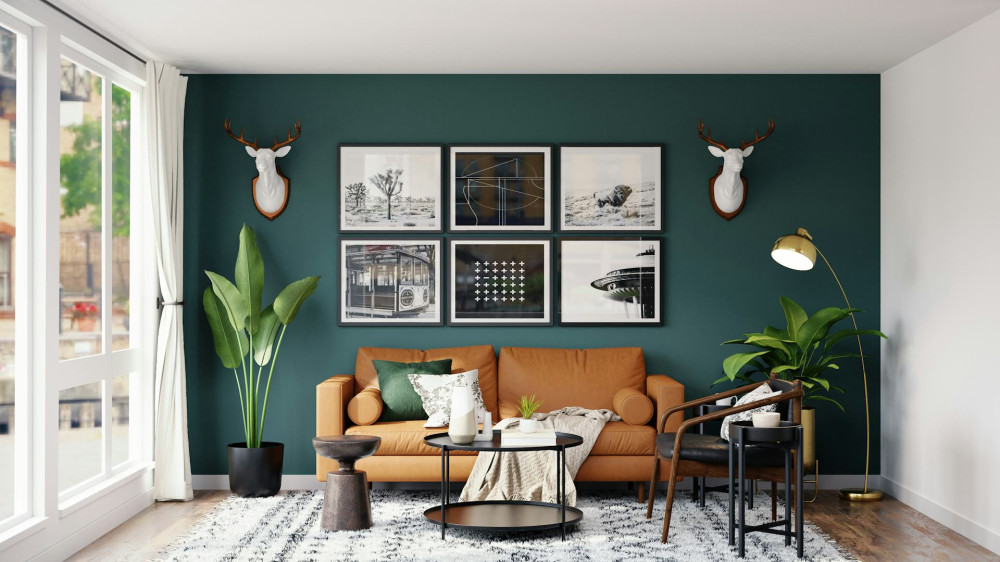
A vision board is a visual tool that helps you clarify your ideas. It can be a physical board with magazine clippings, fabric swatches, and paint samples, or a digital board on platforms like Pinterest or Canva.
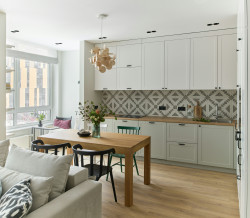
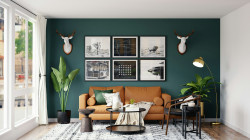
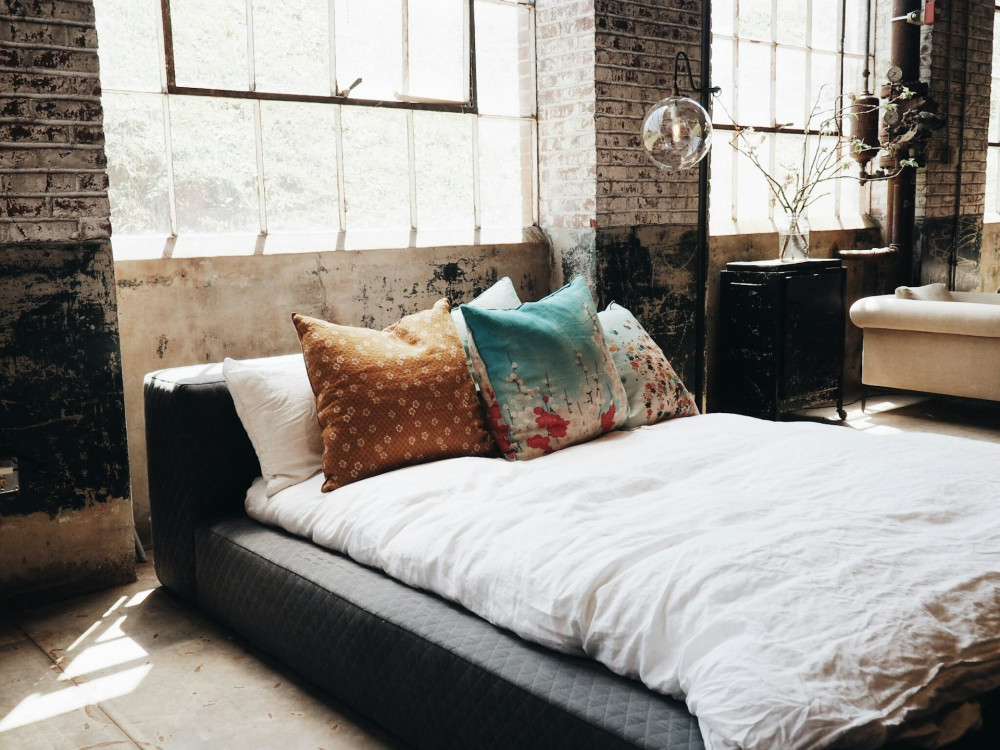
The goal is to gather images, colors, and moods that reflect the feeling you want in your home. Maybe you’re drawn to bright, airy spaces with natural light, or perhaps you prefer cozy, earthy tones and layered textures.
As you collect images, you’ll start to notice patterns—recurring colors, materials, or moods. These patterns reveal the direction you naturally lean toward and can serve as a guide for your design choices.
How to Create Your Own Vision Board
- Find inspiration – Browse home magazines, design blogs, and social media. Save anything that catches your eye without overthinking it.
- Select your favorites – Once you’ve gathered a large collection, narrow it down to 10–15 images that best represent your desired style.
- Assemble your board – Arrange the images on a physical board or in a digital layout. Aim for balance between colors, textures, and moods.
- Add words and notes – Include keywords like “calm,” “warmth,” “natural materials,” or “light and open.” These help you stay focused on the feeling you want to create.
- Use it actively – Place your vision board somewhere visible. Let it guide your decisions about furniture, paint colors, and décor details.
From Vision to Reality
A vision board is just the beginning. The next step is to turn your ideas into action. Start small—maybe with a new wall color, a rug that ties the room together, or a simple furniture rearrangement.
Create a plan for which projects to tackle first and set realistic goals. You might focus on one project per month, such as updating lighting, organizing a closet, or refreshing your bedroom. This approach keeps the process manageable and motivating.
Remember, a home evolves over time. The goal isn’t perfection from day one—it’s creating a direction that reflects who you are and how you want to live.
Bringing Cohesion and Personality Together
Working with vision boards makes it easier to create cohesion throughout your home. You’ll have a visual compass that helps you choose colors, materials, and shapes that complement each other.
But don’t forget personality. A home shouldn’t look like a showroom—it should tell your story. Incorporate family heirlooms, travel finds, or artwork that means something to you. The combination of thoughtful design and personal touches is what makes a home truly come alive.
Læs også:
A Home with Direction and Calm
Creating direction for your home is ultimately about creating peace—both visually and mentally. When you know the atmosphere you want and have a clear picture of how to achieve it, decorating becomes a joyful process rather than a stressful one.
With planning and vision boards, you gain tools to shape your home intentionally. It’s not just about design—it’s about building an environment that supports the life you want to live.
Læs også: