Furniture That Fits Your Body – How to Choose the Right Comfort


Furniture That Fits Your Body – How to Choose the Right Comfort
A piece of furniture is more than just something to sit or lie on. It’s part of your daily life – where you work, relax, and recharge. That’s why choosing furniture isn’t only about style or color; it’s about comfort and how well it supports your body. The right furniture can make a real difference in your well-being and even your long-term health. Here’s a guide to help you find pieces that fit your body and your lifestyle – without sacrificing design.
Why Ergonomics Matter
Most of us spend hours every day sitting – at the dining table, in the office, or on the couch. Poor support can lead to tension, headaches, and back pain, while ergonomically designed furniture helps your body maintain a natural posture.
Ergonomics is about adapting your surroundings to your body, not the other way around. Furniture that fits you should support your body where it needs it and allow for natural movement. This applies to your office chair, dining chairs, and even your bed.
The Chair – Your Most Important Investment
A good chair is one of the best investments you can make for your health. Whether it’s for your home office or dining area, choose a chair that can be adjusted to fit you.
- Seat height: Your feet should rest flat on the floor, with your knees at about a 90-degree angle.
- Backrest: It should support your lower back and follow the natural curve of your spine.
- Armrests: They should support your arms without forcing your shoulders upward.
- Movement: A chair that allows small movements helps circulation and reduces fatigue.
For dining chairs, look for light padding and a backrest that supports you without feeling bulky. Always test a chair before buying – comfort can’t be judged from a photo.
Læs også:

The Sofa – Relaxation with Support
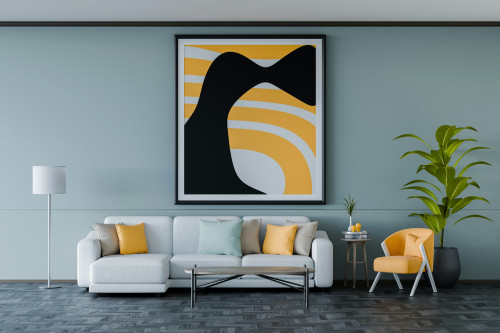
The sofa is often the heart of the home, but it should also be a place where your body can relax without collapsing. The best sofas balance softness with proper support.
- Seat depth: Your legs should rest naturally, and you shouldn’t have to stretch to reach the backrest.
- Cushioning: High-density foam keeps its shape longer and provides better support.
- Back height: A higher back supports your neck and shoulders, while a lower one gives a lighter, more open look.
Think about how you use your sofa. If you like to lie down, a sectional or chaise lounge can add comfort. If you mostly sit, firmer cushions and good lumbar support are key.
The Bed – Your Body’s Most Important Resting Place
We spend about a third of our lives in bed, so comfort and support are essential. A good bed should adapt to your body and keep your spine in a natural position.
- Mattress: Choose firmness based on your weight and sleeping position. Too soft can cause back pain; too firm can create pressure points.
- Topper: Adds extra comfort and can extend the life of your mattress.
- Pillow: Should support your neck so your head stays aligned with your spine.
The best advice is to test the bed in person – lie down for at least ten minutes in your usual sleeping position. That’s the only way to know how well it supports you.
The Home Workspace
With more people working from home, a comfortable and ergonomic setup is more important than ever. A healthy home office isn’t just about the chair – it’s about desk height, screen placement, and lighting.
- Desk height: Should match your chair so your shoulders stay relaxed.
- Screen position: The top of your monitor should be at eye level to prevent neck strain.
- Movement: Alternate between sitting and standing – a sit-stand desk can be a great investment.
Small adjustments can make a big difference in your posture and energy throughout the day.
Materials and Maintenance
Comfort also depends on materials. Natural fabrics like cotton, wool, and linen feel pleasant against the skin and help regulate temperature. Leather and microfiber are durable and easy to clean but can feel warm in summer.
Consider maintenance too – furniture that requires constant care can quickly become frustrating. Choose materials that fit your lifestyle and how you plan to use the piece.
Comfort and Style Can Go Hand in Hand
You don’t have to choose between design and comfort. Many modern furniture makers focus on combining both. A beautiful piece that also supports your body will quickly become a favorite in your home – and last for years.
When choosing furniture, think about how it feels, not just how it looks. Your body will thank you every day.
Læs også: